
Flash or Natural Light?
Event photography is one of the most technically challenging genres of photography. Unlike studio work, photographers rarely have full control over the lighting environment.
Many events take place in venues where the primary light sources are colored spotlights, stage lighting, or decorative ambient lights. While this lighting creates the atmosphere of the event, it can be extremely challenging from a technical perspective: low brightness, strong contrasts, and mixed light sources.
In such situations, photographers usually choose between two main approaches.
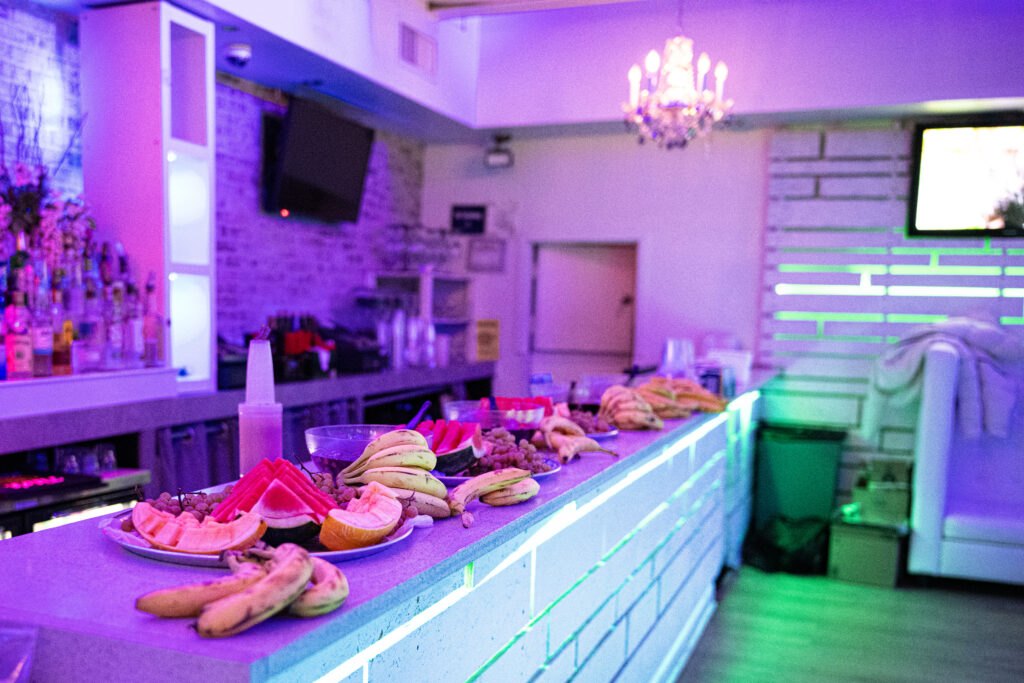
Approach 1: Shooting Without Flash
The first option is to work only with the available light.
This typically requires higher ISO settings and wide apertures so the camera sensor can capture as much light as possible.
The main advantage of this approach is that it preserves the true atmosphere of the event. Colored lights, stage illumination, and the mood of the venue remain exactly as guests experienced them.
However, this method also has some technical limitations:
- possible digital noise
- shallower depth of field
- higher risk of motion blur
Despite these limitations, such images often feel more natural and atmospheric.
Approach 2: Using Flash
The second option is to use flash.
With flash, photographers can work at lower ISO values and narrower apertures, producing cleaner and sharper images.
Advantages of this approach include:
- higher image sharpness
- minimal digital noise
- greater depth of field
However, flash also changes the lighting environment. The colored ambient light may become less visible, and the scene can appear flatter.
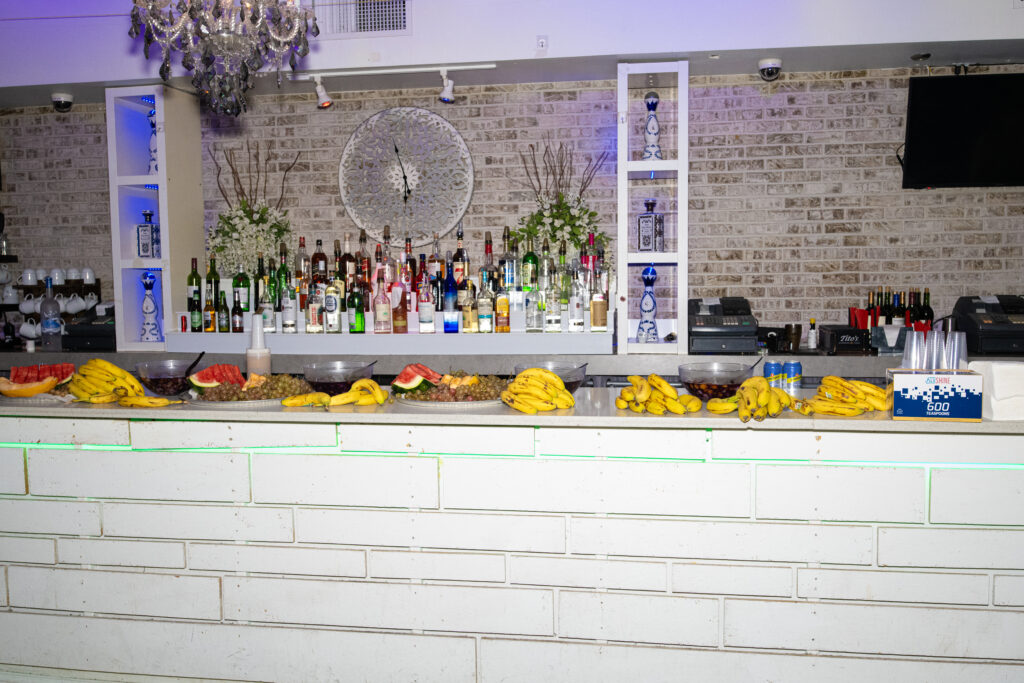
Which approach is better for the event photographer?
In reality, professional event photographers often use both techniques during the same event.
The choice depends on the moment, the lighting conditions, and the desired visual result. Sometimes preserving the atmosphere is more important, while in other situations technical clarity is the priority.
That is why event galleries often include a mix of images taken both with and without flash.
Each approach tells the story of the event in its own way.